












Why Do I Bonk During Long Runs? Fix Your Fuelling
Table of Contents
- Why You Bonk During Long Runs: The Glycogen Shortage
- Signs of Bonking While Running (and What It Is Not)
- What to Eat Before a Long Run
- Carbohydrates During Long Runs: How Much and When
- How to Avoid Bonking While Running: Pacing, Hydration and Recovery
- Mid-Run Rescue Plan: What to Do When You Bonk
- Fuelling with a Sensitive Stomach
- Conclusion
- Frequently Asked Questions
Last Updated: October 21, 2026
Why You Bonk During Long Runs: The Glycogen Shortage
If you have ever wondered why do i bonk during long runs, the short answer is fuel. Bonking during long runs happens when your working muscles run out of stored carbohydrate and your pace collapses.
Your body stores carbohydrate as glycogen in your muscles and liver. Those stores are limited. Once they drop low, your blood glucose falls with them, and your legs stop responding to the pace you set an hour earlier.
How Stored Carbohydrate Runs Out
Muscle glycogen and liver glycogen are your fastest fuel. They power hard efforts and top up blood glucose between feeds. A long run draws on both, and the draw gets heavier as the kilometres add up. Training load, running intensity and the length of the session all change how fast those stores empty.
Why the Wall Arrives Suddenly
Hitting the wall rarely feels gradual. Most runners report feeling fine, then heavy, then done within a few minutes. That is because the body protects blood glucose for the brain until it cannot. When the buffer runs out, sudden fatigue lands all at once.
Signs of Bonking While Running (and What It Is Not)
The signs of bonking while running are sudden weakness, loss of energy, heavy legs, hunger, poor coordination and a pace you cannot hold. You may feel light-headed or unusually emotional.
A true bonk is not the same as dehydration or heat illness, and telling them apart matters because the response differs. Use this comparison as a first-pass check:
| Feature | Bonk (low fuel) | Dehydration | Heat illness |
|---|---|---|---|
| Onset | Sudden, often within minutes | Gradual over the run | Builds with heat and effort |
| Thirst | Possible but not dominant | Strong, early | May be absent or extreme |
| Urine | Normal or pale | Dark and infrequent | Dark, very little output |
| Skin | Normal or clammy | Normal | Hot, dry or clammy depending on severity |
| Mental state | Emotional, foggy, low mood | Usually alert but flat | Confusion, agitation, drowsiness |
| Response to carbs | Improves within 10-15 minutes | Little change from carbs alone | Does not improve; can worsen |
| Response to fluid | Small benefit | Clear improvement | Needs cooling and urgent help |
A bonk typically responds to carbohydrate. If you take 20-30g of fast carbohydrate and feel no better after 10-15 minutes, stop treating it as a fuel problem and look at fluid, heat and effort.
Treat the following as red flags and stop running: confusion or disorientation, fainting or near-fainting, vomiting that prevents you drinking, stopped sweating in hot conditions, or a rising sense of panic.
A practical pattern many runners use is a two-step check. First, ask whether the feeling arrived suddenly after a long effort with little fuel, that points to a bonk. Second, ask whether you are thirsty, overheated or producing dark urine, that points to fluid or heat.
What to Eat Before a Long Run
What to eat before a long run matters more than most runners think. Eat a carbohydrate-focused meal two to three hours before you start, then a small top-up 30 to 60 minutes out. Keep fat and fibre low so the fuel empties from your stomach quickly.
A practical pre-run plate looks like this:
- Toast, oats or rice with a little jam or honey
- A banana or a small bowl of easy fruit
- A sports drink or a carb mix in your bottle
- Water to thirst, not to a forced target
Practise this on training days, not race morning. Your gut needs repetition before it cooperates.
Carbohydrates During Long Runs: How Much and When
Carbohydrates during long runs should start early and repeat often. A common approach is 30 to 60 grams of carbohydrate per hour for runs over 90 minutes, moving towards higher intakes for longer or harder sessions. Begin within the first 30 to 45 minutes rather than waiting for hunger.
Fueling timing matters as much as amount. Small, regular doses are easier on the stomach than one big hit. Set a timer on your watch if you forget.
A Simple Individual Fuelling Guide
Use this decision guide to set your own plan:
| Run duration | Carb target per hour | Practical option |
|---|---|---|
| Under 60 min | Not usually needed | Water only |
| 60-90 min | 30g | One gel mid-run |
| 90-150 min | 30-60g | Gel every 30-40 min |
| 150-240 min | 60-90g | Gels plus carb drink |
| 240 min plus | 60-90g+ | Mix gels, drink and chews |
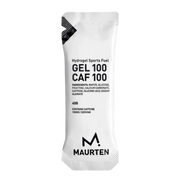
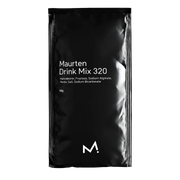
Match your products to the job. A PF 30 Energy Gel delivers 30g of carbohydrate per sachet with a mild flavour, which suits runners who get flavour fatigue late in a session. For bigger fuelling moments, the Maurten Gel 160 packs 40g into one gel. If you prefer to drink your fuel, Maurten Drink Mix 160 gives 39g per 500ml and favours longer, lower intensity work.


How to Avoid Bonking While Running: Pacing, Hydration and Recovery
How to avoid bonking while running comes down to three levers: pacing, hydration and recovery. Start easier than feels natural, drink to thirst with electrolytes on hot days, and arrive at the start line with your glycogen stores topped up rather than run down from a heavy training week.
Cumulative fatigue is the quiet cause. Back-to-back long runs, poor sleep and a hard block of marathon training all lower your starting fuel. A runner who bonks on a route they have done before is often under-recovered, not under-fuelled on the day.
Precision Fuel & Hydration PF 30 Energy Gel – 30g Carbs →
Hydration links directly to fatigue. Fluid intake supports blood volume, and electrolytes replace what you lose through sweat. Plan your hydration separately from your gels so you can adjust each one on its own.
Adjusting for Heat, Intensity and Terrain
Heat raises sweat losses and shifts more energy towards carbohydrate. Intensity does the same. Hills and rough trail add time on feet and more muscle damage, so treat a hilly session as longer than its distance suggests.
- Hot day: add electrolytes and start fuelling earlier
- Hard session: expect higher carb use and protect your pace
- Trail and hills: carry more fuel than the distance implies
- Cold or windy: do not skip fluids because you feel less thirsty
Mid-Run Rescue Plan: What to Do When You Bonk
If you bonk mid-run, slow to a walk and take carbohydrate immediately. Do not try to hold pace. Take a gel or a few mouthfuls of carb drink, then sip water. Give it 10 to 15 minutes before you judge how you feel.
Follow these steps:
- Ease off to a walk or very easy jog
- Take 20 to 30g of fast carbohydrate
- Sip fluid, especially if it is warm
- Reassess after 10 to 15 minutes
- If you feel normal, resume at an easier pace
- If you feel worse, confused or overheated, stop and seek help
What most guides leave out is what happens after the first gel. A bonk is a debt, not a switch. The first 20-30g lifts blood glucose enough to think clearly, but it does not refill muscle glycogen.
Use this decision guide for the rest of the session:
| How you feel after 15 minutes | What to do |
|---|---|
| Normal, pace still down | Continue at an easy effort; take 30-60g carb per hour for the remainder |
| Better but heavy-legged | Walk-run to the finish; do not chase the original pace |
| Still weak or foggy | Take another 20-30g carb and reassess in 10 minutes |
| Confused, nauseous, overheated or worsening | Stop, cool down, seek help |
If you are close to home or a safe exit point, the sensible choice is often to walk it in rather than salvage the session. A bonk that you push through can leave you depleted for two to three days, which costs more training than the run was worth.
After the run, eat a carbohydrate-rich meal within an hour or two and include some protein. Rehydrate with fluid and electrolytes if you sweated heavily. The next day, keep the session easy.
Carry a spare gel for exactly this moment. A Skratch Labs Super High Carb Drink Mix in a bottle gives you a steady carb source you can sip through a long session rather than relying on one late gel.
Fuelling with a Sensitive Stomach
Fuelling with a sensitive stomach is a skill you build, not a talent you are born with. Start with lower concentrations, smaller doses and simpler products, then increase gradually across weeks of training. Never debut a new gel on race day.
Runners with sensitive stomachs often do better with:
- Smaller, more frequent doses instead of large single hits
- Hydrogel or drink-based options that move through the stomach easily
- Lower fibre and fat in the pre-run meal
- A tested routine you have repeated at least three times
Gels designed to reduce stickiness in the mouth and minimise the need to wash them down can help when your gut is already working hard. Build tolerance slowly, and keep a written log of what you took and how you felt.
Conclusion
Bonking is rarely a mystery once you look at fuel, pace and recovery together. Build a fuelling strategy you have practised, carry a spare gel, and treat early symptoms as a signal rather than something to push through. The runners who avoid the wall are the ones who plan their carbohydrate intake before the session starts.
Frequently Asked Questions
Why do I bonk while running?
A bonk happens when your working muscles run low on glycogen, the stored carbohydrate they rely on for fuel. Most runners hold roughly 90 minutes to two hours of usable glycogen at a steady pace, so once those stores are depleted and you have not taken on enough carbohydrate, blood glucose drops and your pace collapses. It is not a lack of fitness or willpower. It is a fuelling and pacing problem, and it is fixable with a plan you practise in training.
How do I tell the difference between bonking and ordinary fatigue?
Ordinary fatigue builds gradually and you can usually push through it. A bonk arrives fast: sudden weakness, light-headedness, hunger, shaky legs and a pace you cannot hold even when you try. Dehydration and heat illness can feel similar, but they usually come with thirst, a headache or overheating rather than a gnawing hunger. If you feel weak, dizzy and ravenous at the same time, treat it as a bonk and take carbohydrate on board.
What should I eat or drink when I start to bonk?
Take fast carbohydrate immediately and stop pushing the pace. A gel with around 30g of carbohydrate, such as a PF 30 gel, or a high-carb drink mix is the quickest route. Sit or walk for a few minutes while it absorbs, then resume at an easy pace. Fluids help, but carbohydrate is the priority. Once you are moving again, keep topping up every 20 to 30 minutes so you do not slide back into the same hole.
How much carbohydrate should I take during a long run?
For runs over 90 minutes, aim for roughly 30g to 60g of carbohydrate per hour, and up to 90g per hour for longer or harder efforts once your gut is trained for it. Practise this in training rather than on race day. A 40g gel such as Maurten Gel 160 makes hitting 60g per hour simpler, and a carb drink mix lets you spread intake across the session. Always test new products on a long training run first.
Bonking during long runs is a solvable problem, and the fix starts with reliable fuel you have tested. CREWED stocks a curated range of performance-tested gels, hydration mixes and race-day packs, with fast shipping from Sydney and free delivery on orders over $89. Search our range and build your fuelling plan before your next long run.