












Best Endurance Gels for Sensitive Stomachs: 2026 Picks
Table of Contents
- Quick Comparison: Best Endurance Gels for Sensitive Stomachs
- Why Energy Gels Cause Stomach Problems
- Easy-to-Digest Running Gels: What Makes Them Gentle
- Isotonic Energy Gels: How They Differ and Who They Suit
- How to Take Energy Gels with Water (and Why It Matters)
-
The 8 Best Endurance Gels for Sensitive Stomachs
- Maple Movement Sap Energy Gel - Original Maple (30mL)
- Maple Movement Sap Energy Gel - Lemon + Salt (32mL)
- Maple Movement Variety Pack - Original Maple + Lemon & Salt (6 Gels)
- Maple Movement Variety Pack - All Flavours (6 Gels)
- Maurten Gel 100 (25g Carbs)
- Maurten Gel 160 (40g Carbs)
- Precision Fuel & Hydration PF 30 (30g Carbs)
- PURE Fluid Energy Gel - Pineapple (58g)
- PURE Fluid Energy Gel - Lemon Lime (58g)
- How We Evaluated These Gels
- How to Test a Gel Before Race Day
- Frequently Asked Questions
Last Updated: October 14, 2026
Quick Comparison: Best Endurance Gels for Sensitive Stomachs
The best endurance gels for sensitive stomachs use simple carbohydrate sources, low osmolality and a fluid texture that empties from the gut quickly. This CREWED guide covers why gels trigger gut discomfort, what separates easy-to-digest running gels, and eight options we stock.
An energy gel is a concentrated carbohydrate source consumed during exercise, typically delivering 20 to 40 grams of carbohydrate per sachet. For runners with a sensitive stomach, formulation matters more than flavour.
| Gel | Texture | Caffeine | Price |
|---|---|---|---|
| Maple Movement Sap Original Maple | Thin, fluid | No | $5.00 |
| Maple Movement Sap Lemon + Salt | Thin, fluid | No | $5.50 |
| Maple Movement Variety Pack (Maple + Lemon) | Thin, fluid | No | $31.50 |
| Maple Movement Variety Pack (All Flavours) | Thin, fluid | One gel | $32.00 |
| Maurten Gel 100 | Hydrogel | No | $5.17 |
| Maurten Gel 160 | Hydrogel | No | $8.15 |
| Precision Fuel & Hydration PF 30 | Light, non-sticky | No | $4.49 |
| PURE Fluid Energy Gel | Smooth, fluid | No | $4.39 |
Why Energy Gels Cause Stomach Problems
Most stomach upset during a long run comes down to two things: how concentrated the gel is, and how quickly it empties from the stomach into the small intestine. Take a gel without enough water and the carbohydrate solution in your stomach is highly concentrated. Fluid gets drawn into the gut to dilute it, leaving you bloated, sloshy or nauseous.

Carbohydrate Source and Gut Tolerance
Carbohydrate source is the single biggest lever. Gels built on maltodextrin or heavy glucose syrups sit heavier because they are large, complex molecules that take longer to break down and absorb. Glucose and fructose blends are absorbed through separate gut pathways, which can raise how much carbohydrate you tolerate per hour. Simpler sources, such as organic maple syrup, skip maltodextrin entirely, which many runners find easier to process.
Texture, Concentration and Osmolality
Texture is a practical signal of concentration. A thick, syrupy gel coats the mouth and throat and needs more fluid to move through the stomach, while a thin, fluid gel disperses faster and is easier to swallow at race intensity. Osmolality describes how concentrated a solution is relative to your body fluids; gels closer to isotonic empty from the stomach more predictably.
Easy-to-Digest Running Gels: What Makes Them Gentle
An easy-to-digest running gel uses a simple carbohydrate source, avoids unnecessary additives, and has a texture that moves through the gut without drawing in excess fluid. Four things separate a gentle gel from a harsh one:
- Short ingredient lists. Fewer additives, colourants and preservatives means fewer things your gut has to process mid-run.
- Simple carbohydrate sources. Maple syrup, glucose and fructose blends, or real fruit flavouring rather than heavy syrups.
- Low concentration. Fluid textures dilute faster and reduce the osmotic load on the stomach.
Isotonic Energy Gels: How They Differ and Who They Suit
Isotonic energy gels are formulated to match the concentration of your body fluids, so they need less additional water to be absorbed comfortably. Traditional gels are hypertonic, meaning more concentrated than your blood. They pull fluid into the gut to balance out, causing that heavy, sloshy feeling. Isotonic gels sit closer to neutral, so they empty more gently.
How to Take Energy Gels with Water (and Why It Matters)
Take every gel with water, not a sports drink. Water dilutes the gel to a concentration your gut can absorb without pulling fluid from your body. Your stomach empties at a rate partly determined by how concentrated that solution is, so adding water speeds emptying and gets carbohydrate to the small intestine, where it is actually absorbed. A few practical rules:
- Sip 150 to 250mL of plain water with each gel.
- Never chase a gel with a carbohydrate-heavy sports drink; you are stacking sugars and raising the concentration further.
- Take gels on a schedule, not when you feel empty. By the time you feel flat, you are behind.
The 8 Best Endurance Gels for Sensitive Stomachs

Every gel below is stocked by CREWED and chosen for how it treats a sensitive gut, not just for carbohydrate content. Prices are per sachet.
Maple Movement Sap Energy Gel - Original Maple (30mL)
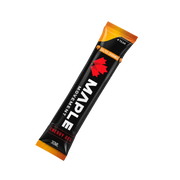
Our top pick for a sensitive stomach. Maple Movement Sap Original Maple is made from a single ingredient: organic maple syrup. Each 30mL sachet delivers 27g of carbohydrate with a thin, fluid consistency and a clean maple taste. With no maltodextrin and no preservatives, there is very little for a reactive gut to push back against. It is vegan, gluten free, made in Australia and caffeine free, which suits evening sessions or anyone who avoids stimulants.
Maple Movement Sap Energy Gel - Lemon + Salt (32mL)
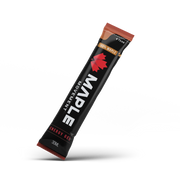
Same base, different job. The Lemon + Salt gel uses organic maple syrup with cold-pressed lemon juice and Murray River salt, delivering 27g of carbohydrate and 100mg of sodium per 32mL sachet. That sodium matters on long runs and hot days, where you lose electrolytes through sweat. The lemon cuts the sweetness, which helps if flavour fatigue sets in late in a race.
Maple Movement Variety Pack - Original Maple + Lemon & Salt (6 Gels)
If you are not sure which flavour your stomach prefers, start here. This six-gel pack contains three Original Maple and three Lemon + Salt gels, giving you 162g of carbohydrate across the pack. Run one of each on separate training sessions, note how each sits, then buy the box of the one that works. Vegan and gluten free, caffeine free throughout.
Maple Movement Variety Pack - All Flavours (6 Gels)
The broader sampler adds Salted Caramel and Coffee to the mix: two Original Maple, two Lemon + Salt, one Salted Caramel and one Coffee, all at 27g of carbohydrate each.
Worth flagging: the Coffee gel contains 30mg of caffeine per 34mL serve. It is not suitable for children under 15 or for pregnant women, and should be used under medical or dietetic supervision.
Maurten Gel 100 (25g Carbs)
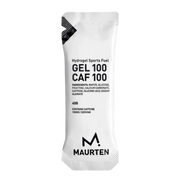
Maurten Gel 100 is the hydrogel benchmark. It is built with six ingredients, no added colourants, preservatives or flavours, and uses a fructose-to-glucose ratio of 0.8:1.
The texture is firmer than a fluid gel but designed to pass through the stomach as a hydrogel rather than a syrup. It is suitable for vegetarians and vegans. The trade-off is that it is the lowest carbohydrate option here at 25g per serve, so you will use more sachets to hit a high hourly intake.
Maurten Gel 160 (40g Carbs)
Same hydrogel technology, bigger payload. Gel 160 packs 40g of carbohydrate into each serving, which suits athletes chasing a high carbohydrate-per-hour target without carrying a pocket full of sachets.
Maple Movement Sap Energy Gel – Original Maple – 30mL →
It is built with the same six natural ingredients and no added colours, preservatives or flavours, and is suitable for vegetarians and vegans. The drawback is cost per sachet and the firmer texture, which some runners find harder to take at high intensity.
Precision Fuel & Hydration PF 30 (30g Carbs)
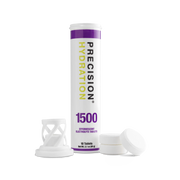
PF 30 delivers 30g of carbohydrate with a mild, neutral flavour designed to reduce flavour fatigue over long efforts. The texture is built to be less sticky in the mouth, so you are not forced to wash it down immediately. That is a genuine advantage mid-race, because it gives you flexibility on water timing. Precision recommends planning hydration separately with its PH 1000 or PH 1500 drink mixes, choosing the strength to match your sweat losses.
PURE Fluid Energy Gel - Pineapple (58g)
PURE's fluid gel is the closest thing here to drinking your carbohydrates. It has a smooth, fluid consistency and uses real fruit flavouring with no artificial aftertaste, delivering 30g of carbohydrate per serve.
For a sensitive stomach, the fluid format is the selling point: no thick texture to swallow at race intensity. The pineapple flavour is bright without being sickly, which helps on hot days.
PURE Fluid Energy Gel - Lemon Lime (58g)
Identical formulation, different flavour. The Lemon Lime version carries the same 30g of carbohydrate, the same fluid texture and the same vegan, gluten-free, dairy-free profile.
Lemon lime is the safer choice for a long race where you will take gel after gel; it is the flavour most runners find easiest to repeat without tiring of it. If you react badly to sweet gels, this is the one to try first.
How We Evaluated These Gels
We assessed each gel on five criteria that matter to a sensitive gut.
| Criterion | What We Looked For | Why It Matters |
|---|---|---|
| Carbohydrate source | Simple sugars, no maltodextrin where possible | Fewer complex molecules to break down |
| Texture | Thin, fluid or hydrogel | Faster gastric emptying |
| Ingredient count | Short, additive-free lists | Less for a reactive gut to process |
| Caffeine | Clearly labelled, optional | Some runners react badly to stimulants |
| Water needs | Low additional fluid requirement | Easier to manage on the move |
We favour gels with transparent labelling, so you know exactly what is in each sachet before race day. None of the picks above hide caffeine or additives behind vague flavour names.
How to Test a Gel Before Race Day
Never debut a gel on race day. Test it in training first, using a structured protocol.
Here is the approach we recommend to customers preparing for a half marathon or ultra:
- Pick a moderate training run, ideally 60 to 90 minutes, at an easy effort.
- Take one gel at the 30-minute mark with 150 to 250mL of water.
- Note how you feel over the next 30 minutes. Watch for bloating, cramping, nausea or a heavy feeling.
- Repeat with a second gel at 60 minutes if the first sat well.
- Log the result against the gel name, flavour and timing.
- Test a second option on a separate run so you have a comparison.
- Lock in your race gel at least three weeks out and rehearse the full fuelling schedule on a long run.
If a gel causes discomfort, the culprit is usually concentration or a specific ingredient. Try it with more water first. If it still sits badly, switch to a fluid or hydrogel option and test again.
Finding a gel your stomach accepts is the difference between finishing strong and walking the last 10km.
Frequently Asked Questions
What are the best energy gels for a sensitive stomach?
The best endurance gels for sensitive stomachs tend to be those with simple carbohydrate sources, fluid textures, and minimal additives. Options like Maple Movement Sap (made from organic maple syrup with no maltodextrin) and Maurten Gel 100 (a hydrogel with just six ingredients) are designed to be gentle. PURE Fluid Energy Gel and Precision Fuel & Hydration PF 30 also use smooth, fast-absorbing formulas. Start with a variety pack to test tolerance before committing to a full box.
Why do I get a bad stomach after using energy gels?
Energy gels cause stomach problems for several reasons: high concentrations of simple sugars can pull water into the gut, maltodextrin and fructose blends may ferment and cause bloating, and thick textures slow gastric emptying. Taking gels without enough water worsens the effect. Choosing easy-to-digest running gels with fluid textures and drinking 150-250mL of water with each gel can reduce symptoms. Testing before race day is essential.
Should you take water with an energy gel?
Yes. Most gels are concentrated carbohydrate solutions, and taking them without water can delay stomach emptying and cause cramping or nausea. Aim for 150-250mL of water with each gel, especially during long runs or races. Isotonic energy gels are formulated to be gentler, but water still helps. Avoid taking gels with sports drinks, as this increases carbohydrate concentration and can worsen stomach upset.
Are isotonic gels easier on the stomach?
Isotonic energy gels are mixed to match your body's fluid balance, which can make them easier to absorb and less likely to cause gastrointestinal discomfort. They typically contain electrolytes and a balanced carbohydrate blend. However, individual tolerance varies. Some runners do better with hydrogel gels like Maurten, while others prefer simple maple syrup gels. Trial different types during training to find what works for you.
How can I test an energy gel before race day?
Test gels during training runs that mimic race conditions: same intensity, duration, and timing. Start with a single gel 30-45 minutes into a run, then assess how your stomach feels over the next hour. Try a variety pack to compare flavours and textures. If a gel causes bloating or cramping, note the ingredients and try a different carbohydrate source. Never try a new gel on race day.