












Buy Performance Energy Gels Online: 7 Best Options
Table of Contents
- Best Energy Gels to Buy Online for Endurance Training
- Precision Fuel & Hydration: Lightweight Carbohydrate Options
- Maurten Hydrogel Technology: High-Carbohydrate Gels for Longer Efforts
- PURE Fluid Energy Gels: Smooth, Easy-to-Consume Fuel
- Best Energy Gels for Running: Choosing by Distance and Intensity
- Liquid Energy Gels vs Standard Gels: Format and Digestibility
- Energy Gel Multipacks and Bundles: Build Your Own or Buy Ready-Made
- How to Choose the Best Energy Gels for Your Sport and Goals
- Frequently Asked Questions
Last Updated: October 18, 2026
Best Energy Gels to Buy Online for Endurance Training
When you're training for a marathon, ultra, or triathlon, fuelling strategy makes the difference between finishing strong and hitting the wall, which is why many athletes choose to buy performance energy gels online in Australia. Energy gels are the fastest way to deliver carbohydrates during effort, but not all gels perform equally. The real question isn't just where to buy performance energy gels online in Australia, it's which gel your body will actually tolerate under race-day stress.
At CREWED, we provide runners, cyclists, and triathletes with a curated selection of performance-tested energy gels that deliver fast carbohydrates without the digestive drama.
Below, we'll walk you through the best energy gels to buy online, how to choose the right format for your sport, and how to build a fuelling plan that works for your body, with pricing and carbohydrate breakdowns to compare cost per serving.
Quick Comparison Table
| Product | Format | Price | Best For |
|---|---|---|---|
| Precision Fuel PF 30 | Standard gel | $4.49 | Shorter efforts, flavour variety |
| Maurten Gel 100 | Hydrogel | $5.17 | Sensitive stomachs, minimal ingredients |
| PURE Fluid Gel | Fluid gel | $4.39 | High intensity, easy consumption |
| Precision Fuel PF 90 | Jumbo gel | $8.99 | Longer efforts, fewer packets |
| Maurten Gel 160 | Hydrogel | $8.15 | Ultra distances, high carb needs |

Precision Fuel & Hydration: Lightweight Carbohydrate Options
Precision Fuel gels deliver 30 grams of carbohydrate in a format designed to reduce stickiness and flavour fatigue. The mild, neutral Original flavour works well for athletes who struggle with sweet tastes, and the texture is thin enough that you don't need to wash it down immediately.

The Precision Fuel & Hydration PF 30 Energy Gel at $4.49 per gel is a practical and efficient way to get 30g of carbohydrate into your system fast. It uses a 2:1 glucose to fructose ratio to aid carbohydrate uptake. For athletes doing steady-state efforts, long runs under tempo pace, steady cycling sessions, this is reliable, straightforward fuel.
If you race with caffeine, the Precision Fuel & Hydration PF 30 Caffeine Energy Gel adds 100 milligrams per serving at $5.50. It's Informed Sport certified, so it's tested for banned substances, and the caffeine doesn't make the gel bitter. Use it on its own during shorter efforts, or combine it with non-caffeinated gels when you're going longer.

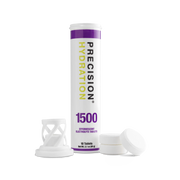
Plan your hydration separately with PH 1000 or PH 1500, choosing the strength to suit your sweat losses.
Maurten Hydrogel Technology: High-Carbohydrate Gels for Longer Efforts
Maurten's hydrogel technology works differently from traditional gels. Instead of mixing carbohydrates into syrup, Maurten encapsulates a glucose-fructose blend in a natural biopolymer matrix, which enables uptakes of up to 100 grams of carbohydrates per hour.
The Maurten Gel 100 delivers 25 grams of carbohydrate per 40-gram serving at $5.17. It contains just six natural ingredients with no added colours, preservatives, or flavours, and is suitable for vegetarians and vegans. For athletes with sensitive stomachs, the simplified ingredient list often means fewer digestive issues.

If you're fuelling a longer effort, the Maurten Gel 160 packs 40 grams into a single pouch at $8.15. In endurance sport, to maintain performance, it’s important to fuel regularly. Every fueling moment needs to count. And the further you go, the more carbs you need to sustain performance.
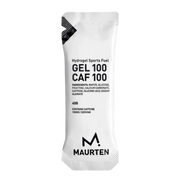
For race-day caffeine, the Maurten Gel 100 CAF 100 delivers 100 milligrams of caffeine (equivalent to one cup of brewed coffee) alongside 25 grams of carbohydrate at $6.79. Combine it with caffeine-free Maurten gels to balance your fuel and caffeine across the race.
PURE Fluid Energy Gels: Smooth, Easy-to-Consume Fuel
PURE Fluid Energy Gels take a different approach to gel format. Instead of thick, sticky texture, they deliver 30 grams of carbohydrate in a smooth, fluid consistency made with real fruit flavouring, easier to consume on the move without immediate water when intensity is high.
The PURE Fluid Energy Gel - Tropical + Caffeine and PURE Fluid Energy Gel - Raspberry + Caffeine both deliver 30 grams of carbohydrate per 58-gram pouch at $4.39, with caffeine options available. The PURE Fluid Energy Gel - Pineapple offers the same carbohydrate content without caffeine. All three are vegan, gluten-free, and dairy-free, making them suitable for athletes with dietary restrictions.
The fluid format appeals to runners and cyclists who find traditional gels difficult to swallow at high intensity.
Best Energy Gels for Running: Choosing by Distance and Intensity
Choosing the right energy gel depends on race distance, effort intensity, and your stomach's tolerance.
For half-marathon and shorter road races (up to 90 minutes): You may not need gels at all. If you do, a single gel with caffeine, like the Precision Fuel PF 30 Caffeine or Maurten Gel 100 CAF 100, provides a mental and physical boost in the final kilometres.
For marathon distance (2.5 to 4 hours): Plan for 30-60 grams of carbohydrate per hour, depending on your fitness and stomach capacity. Most athletes tolerate one gel every 45 minutes to an hour; the Precision Fuel PF 30 or PURE Fluid Gel deliver 30 grams each.
For ultra-marathon and trail running (4+ hours): Higher carbohydrate gels like Maurten Gel 160 (40 grams) or Precision Fuel PF 90 (90 grams) reduce the number of gels you carry; the Jumbo Gel format is three servings in one resealable pouch. At this distance, GI comfort becomes critical, so simpler ingredients and proven tolerance matter more than flavour variety.
Liquid Energy Gels vs Standard Gels: Format and Digestibility
The choice between liquid gels and standard gels comes down to how your stomach responds under race-day stress and how easily you can consume fuel while running or cycling hard.
Standard gels (Precision Fuel PF 30, Maurten Gel 100, Maurten Gel 160) have a thicker, more concentrated texture. They require less volume to deliver the same carbohydrates, so they're lighter to carry.
Precision Fuel & Hydration PF 30 Energy Gel – 30g Carbs →
Liquid gels (PURE Fluid Energy Gels) have a smoother, more fluid consistency, closer to a sports drink, and are easier to consume at high intensity when swallowing is difficult.
Hydrogels (Maurten Gel 100, Maurten Gel 160) sit between the two. They're smoother than traditional gels but more concentrated than liquid gels. The biopolymer matrix may improve carbohydrate absorption for some athletes, though individual responses vary widely.
Start with one format during training and stick with it through race day. Switching formats mid-race introduces unnecessary variables when your stomach is already stressed. If you're prone to GI issues, the liquid or hydrogel formats often feel easier during hard efforts.
Energy Gel Multipacks and Bundles: Build Your Own or Buy Ready-Made
Buying individual gels works for testing, but most athletes save money and reduce packaging waste with multipacks or bundles.
CREWED's Build Your Own Mixed Gel Bundle lets you mix brands, flavours, and caffeine options, then unlock free gels as your bundle grows. Buy 10 gels and receive 1 free. Buy 18 and receive 2 free. Buy 30 and receive 4 free. This approach works well if you're testing multiple brands or building a race-day pack with specific gels for different race stages.
For athletes who know their preferred gel, single-brand multipacks reduce per-gel cost.
CREWED offers fast shipping from Sydney and free delivery on orders over $89, so building your bundle and ordering once saves both money and delivery fees compared to multiple small orders.
How to Choose the Best Energy Gels for Your Sport and Goals
Selecting the right energy gels means matching carbohydrate content, format, and ingredients to your sport, distance, and body's tolerance.
For running: Standard or hydrogels work well because they're portable and don't require immediate water. PURE Fluid Gels suit athletes who struggle with thick textures at high intensity.
For cycling: You have more flexibility with gel format because you can carry more weight and access water more easily.
For triathlon: Consistency across disciplines matters. Test your gels during brick workouts (run-bike or bike-run combinations) to see how your stomach responds to fuelling during transitions.
For ultra-distance events: Simplicity and proven tolerance outweigh flavour variety. Maurten's minimal ingredient list appeals to athletes with sensitive stomachs, and the Jumbo Gel formats (PF 90) reduce packaging and carrying weight.
For GI sensitivity: Start with hydrogels (Maurten) or simpler ingredient lists (Precision Fuel). Avoid high-fructose gels if you know fructose causes bloating. Test one new gel at a time during training, not race day.
The best energy gel is the one your body tolerates under race-day stress.
Our curated selection of performance-tested energy gels, fast shipping from Sydney, and free delivery on orders over $89 make it simple to stock up on nutrition you trust. Search our energy gel range and start fuelling smarter today.
Frequently Asked Questions
What carbohydrate content should I look for in an energy gel?
Most endurance athletes aim for 30-40 grams of carbohydrates per gel to fuel efforts of 60 minutes or longer. Precision Fuel & Hydration PF 30 delivers 30g carbs per serving at $4.49, whilst Maurten Gel 160 provides 40g at $8.15. For shorter, high-intensity efforts under 90 minutes, a single 25-30g gel may suffice. Your actual requirement depends on your body weight, sweat rate, and the intensity of your training or race.
How do liquid energy gels differ from standard gels, and which is better for running?
Liquid energy gels like PURE Fluid have a smooth, fluid consistency that flows easily even at high breathing intensity, making them simpler to consume on the move without needing immediate water. Standard gels (Precision Fuel, Maurten) have thicker textures that sit in your mouth longer. Liquid gels suit athletes who struggle with thick textures or prefer minimal chewing during hard efforts. Test both formats in training before race day to find what your stomach tolerates best.
Should I use caffeinated or non-caffeinated energy gels?
Caffeinated gels (100mg per serving) suit efforts lasting 2+ hours where mental fatigue sets in, or shorter, high-intensity races where a performance boost helps. Precision Fuel & Hydration PF 30 Caffeine ($5.50) and Maurten Gel 100 CAF 100 ($6.79) both deliver caffeine without bitterness. Non-caffeinated options work well for training, shorter efforts, or if you're sensitive to caffeine. Mix caffeinated and non-caffeinated gels in longer events to manage total caffeine intake.
What are energy gel multipacks, and do they offer better value?
Multipacks combine different brands, flavours, and caffeine options in one bundle. Crewed's Build Your Own Mixed Gel Bundle lets you choose any combination and unlocks free gels as your bundle grows: 10 gels = 1 free, 18 gels = 2 free, 30 gels = 4 free. This approach saves money, reduces flavour fatigue during training, and lets you test multiple products before committing to race day. Orders over $89 qualify for free delivery.
How much carbohydrate should I consume per hour during endurance training or racing?
Most endurance athletes aim for 60-90 grams of carbohydrates per hour depending on fitness, sweat rate, and gastrointestinal comfort. A single 30g gel covers one-third of a 90g target; you'd pair it with drink mix or real food for the remainder. For ultra-distance events, some athletes tolerate up to 120g per hour using multiple formats. Start conservatively in training, test your tolerance with the specific products you plan to race with, and adjust based on how your stomach responds.