




Best Energy Gels for Sensitive Stomachs
Table of Contents
- Energy Gels for Sensitive Stomachs: Quick Comparison
- How Gel Ingredients Affect Digestion and Stomach Comfort
- Maurten Hydrogel Range: Natural Formula Technology
- PURE Fluid Energy Gels: Smooth Texture for Race Intensity
- Low FODMAP Energy Gels and Digestive Tolerance
- How to Train Your Gut for Endurance Racing
- Energy Gel Alternatives for Runners with Sensitive Stomachs
- Common Mistakes and Troubleshooting Stomach Issues
- Frequently Asked Questions
Last Updated: October 7, 2026
Energy Gels for Sensitive Stomachs: Quick Comparison
Finding the right energy gel when your stomach is sensitive can feel like navigating a minefield. Traditional gels sit heavy, cause cramping, or trigger nausea, leaving you with two bad options: fuel poorly or suffer through the discomfort. At CREWED, we've curated a selection of performance-tested energy gels for sensitive stomachs that deliver carbohydrates without the gastric distress.
The challenge isn't just calories, it's how your digestive system handles fuel at high intensity. When you're running hard or cycling at race pace, blood diverts away from your stomach to working muscles, so a gel that's easy on the gut at rest might still cause bloating or nausea when effort is maximal. That's where hydrogel technology and fluid formulas make a real difference, they absorb faster and sit lighter than traditional thick gels.
Below, we'll compare the best options, explain what makes certain gels gentler on sensitive stomachs, and show you how to test fuelling strategies before race day.
Quick Comparison:
- Best Overall Hydrogel: Maurten Gel 100, natural formula with proven hydrogel technology
- Best Fluid Alternative: PURE Fluid Energy Gel, smooth texture designed for race intensity
- Best Higher Carbohydrate Option: Maurten Gel 160, for longer efforts requiring more fuel per serving
How Gel Ingredients Affect Digestion and Stomach Comfort
The way your stomach handles an energy gel depends entirely on its composition. Traditional gels are water and carbohydrates mixed into thick syrups, often with added flavours, preservatives, and thickeners that can trigger bloating, cramping, or nausea, especially when you're working hard.

Hydrogel technology changes this. Instead of a thick syrup, hydrogels use a biopolymer matrix that encapsulates carbohydrates in a natural gel structure, meaning faster absorption and less gastric load. The Maurten Gel 100 uses this approach with just six natural ingredients and no added colourings or preservatives. The glucose-to-fructose ratio matters too: a 0.8:1 blend (as found in Maurten products) enables carbohydrate uptakes of up to 100 grams per hour without overwhelming your digestive system.
Fluid gels work differently, delivering carbohydrates in a smooth, drinkable consistency rather than a thick paste. PURE Fluid Energy Gels use real fruit flavouring without artificial aftertaste, making them easier to consume at high intensity when swallowing thick gels feels impossible.
| Gel Type | Texture | Absorption | Best For | Potential Issues |
|---|---|---|---|---|
| Hydrogel (Maurten) | Thick gel | Fast (optimised carb ratio) | Sensitive stomachs needing high carbs | None if tolerated |
| Fluid Gel (PURE) | Smooth liquid | Fast (low viscosity) | High intensity, swallowing difficulty | Flavour preference varies |
| Traditional Gel | Thick syrup | Slower | Budget-conscious athletes | Bloating, nausea, cramps |
Maurten Hydrogel Range: Natural Formula Technology
Maurten has built its reputation on hydrogel technology, a departure from traditional gel formulas that many athletes with sensitive stomachs find transformative. The range includes options for different carbohydrate needs, letting you match fuel to your effort level and race duration.
Maurten Gel 100: Lighter Carbohydrate Option
The Maurten Gel 100 delivers 25 grams of carbohydrates per 40g serving in a natural hydrogel matrix. Built with six ingredients, no added colours, flavours, or preservatives, it's designed for athletes who want reliable fuel without unnecessary additives.
What makes this gel stand out for sensitive stomachs is the glucose-fructose blend (0.8:1 ratio), which enables efficient carbohydrate uptake without the osmotic stress that can trigger bloating or cramping. The hydrogel structure sits lighter than traditional syrups, meaning less gastric distension during hard efforts.
At $5.17 per gel, it's a performance-focused product. It's suitable for vegetarians and vegans and can be used before, during, or after activity. For training runs or shorter races needing steady fuel without maximum carbohydrate density, this is a solid choice.
Maurten Gel 160: Higher Carbohydrate Delivery
For longer efforts, ultra-marathons, ironman-distance triathlons, or back-to-back hard training days, the Maurten Gel 160 delivers 40 grams of carbohydrates per serving, helping you maintain performance over extended durations without consuming more gels.

The same hydrogel technology and natural ingredient list apply here; the difference is volume. You get more fuel in a single gel, reducing the number you need to carry and consume. For athletes with sensitive stomachs, fewer consumption events can mean fewer opportunities for gastric distress, provided you've tested tolerance first.
At $8.15 per gel, it's an option in the Maurten range.
Maurten Gel 100 CAF 100: Caffeine Without Extra Carbs
The Maurten Gel 100 CAF 100 combines 25 grams of carbohydrates with 100 milligrams of caffeine, equivalent to 1.5 espressos or one cup of brewed coffee, for athletes who want caffeine's mental and physical boost without extra carbohydrate load.

Caffeine can amplify stomach sensitivity, so this gel is best for those who've confirmed caffeine tolerance. Use it alongside caffeine-free Maurten Gel 100 or Gel 160 to balance fuel and stimulant intake across a race. At $6.79 per gel, it sits between the standard Gel 100 and Gel 160 in price.
PURE Fluid Energy Gels: Smooth Texture for Race Intensity
When thick gels feel impossible to swallow, when your breathing is heavy, your effort is maximal, and the thought of consuming a paste makes you gag, fluid gels become invaluable. PURE Fluid Energy Gels deliver carbohydrates in a smooth, drinkable format designed for exactly these moments.
Each serving contains 30 grams of carbohydrates with real fruit flavouring and no artificial aftertaste. The gel is vegan, gluten-free, and dairy-free, suiting athletes with multiple dietary restrictions. At $4.39 per gel, PURE sits at the lower end of the price range, accessible for athletes testing multiple options.
The fluid format absorbs quickly and sits lighter than traditional thick gels, meaning less gastric load and faster carbohydrate delivery for sensitive stomachs. PURE offers multiple flavours, Tropical, Pineapple, Lemon Lime, Mango, Orange, and caffeinated versions in Tropical, Raspberry, and Cola, so you can match taste preferences and avoid flavour fatigue on longer efforts.
The one limitation is carbohydrate density: at 30 grams per serving, PURE delivers less fuel per gel than the Maurten Gel 160. For ultra-distance efforts, you'll need more gels, which increases cost and the number of consumption events.
Low FODMAP Energy Gels and Digestive Tolerance
If you have diagnosed IBS or known FODMAP sensitivity, standard energy gels can be problematic.
Maurten's glucose-to-fructose ratio (0.8:1) is more forgiving than high-fructose alternatives, but it's not specifically a low FODMAP product. If you have diagnosed IBS or FODMAP sensitivity, test any gel extensively during training before committing to race day.
The best approach is to work with your gut during training. Start with smaller quantities, gradually increase volume, and monitor your response. Keep a simple log: gel type, quantity, timing relative to food, intensity level, and any gastric symptoms. This data reveals patterns, whether it's the gel itself, the timing, the intensity, or a combination that triggers distress.
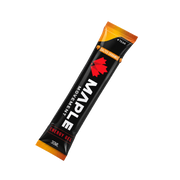
Maurten Gel 100 Energy Gel – 25g Carbs →
How to Train Your Gut for Endurance Racing
Your digestive system adapts to fuelling just as your aerobic system adapts to training. Athletes who regularly practise race-day nutrition during training develop better tolerance than those who wait until race day to test gels.

Start with low volumes during easy training runs. A single gel at 45 minutes into a 90-minute easy run is a safe starting point. Observe your response: any bloating, cramping, or nausea? If none, you've found a tolerable dose at that intensity.
Gradually increase volume and intensity over 4-6 weeks. Once you can consume your race-day fuelling strategy during a hard training run without gastric distress, you've built confidence for race day.
If you experience bloating or cramping during a training run, reduce volume back to your last tolerable dose and progress more slowly. Some athletes need 8-12 weeks of consistent practice to build full tolerance. Others respond quickly. The only way to know is to test.
Energy Gel Alternatives for Runners with Sensitive Stomachs
Not all endurance fuel comes in gel form. If gels consistently trigger distress despite testing, whole-food alternatives or different carbohydrate sources might work better for your system.
Bananas, dates, and dried fruit deliver natural carbohydrates without the additives and sweeteners in commercial gels. A banana or small handful of dates provides similar carbohydrate content to a gel at a fraction of the cost. The tradeoff: they're bulkier to carry, require more chewing, and can feel heavy at high intensity.
Sports drinks and electrolyte mixes offer carbohydrates in liquid form, potentially easier on sensitive stomachs than thick gels. Absorption depends on carbohydrate concentration and the glucose-to-fructose ratio, just as with gels. A well-formulated sports drink can work as well as a gel if the carbohydrate load and composition suit your system.
Energy bars, rice cakes with honey, or homemade energy balls suit lower-intensity training runs where you have more time to digest. They're not practical for high-intensity racing, but they can reduce reliance on gels during base-building phases.
The goal is finding a gel formula your stomach tolerates well, not abandoning gels altogether.
Common Mistakes and Troubleshooting Stomach Issues
The biggest mistake athletes make is assuming all gels are the same. A gel that works for your training partner might trigger nausea in you. Test your own system, not someone else's.
Another common error is changing variables on race day. You've trained with Gel A, but on race morning you grab a different brand because it's on the course.
Under-hydration amplifies gel-related stomach issues. A gel sitting in a dehydrated stomach is more likely to cause bloating or cramping.
Consuming gels too close together can overwhelm your digestive capacity.
If you experience nausea during a race, reduce gel volume immediately.
Persistent stomach issues after testing multiple gels suggest a broader fuelling or hydration problem. Review your entire fuelling and hydration strategy, not just the gel, before concluding you need a different product.
Finding the best energy gels for sensitive stomachs comes down to testing, consistency, and choosing a formula your system tolerates.
Start with Maurten Gel 100 if you want proven hydrogel technology with a natural ingredient list. Try PURE Fluid Energy Gels if you struggle with thick textures at race intensity.
Frequently Asked Questions
What causes stomach distress when using energy gels during running?
Stomach discomfort from energy gels can occur. Testing gels during training runs, not race day, helps identify your individual tolerance threshold and allows your digestive system to adapt to race fuelling.
Are there low FODMAP energy gels available for endurance athletes?
Individual tolerance varies significantly. If you have diagnosed IBS or FODMAP sensitivity, test any gel thoroughly on training runs before committing to race day, and consider consulting a sports dietitian for personalised fuelling guidance.
How can I test new energy gels before race day?
Begin testing during easy training runs at least 3-4 weeks before your target race. Start with one gel during a 90-minute session at moderate intensity, paired with water. Gradually increase frequency and duration over subsequent training runs to allow your gut to adapt. Document how each product feels: onset of discomfort, severity, and recovery time. Test only one new variable per training run, don't change gels, water intake, and intensity simultaneously. This systematic approach reveals which gels, carbohydrate amounts, and hydration strategies work for your digestive system under race-like conditions.
What's the difference between hydrogel and fluid energy gels for sensitive stomachs?
Hydrogel formulas like Maurten use a biopolymer matrix that encapsulates carbohydrates. Fluid gels like PURE deliver carbohydrates in a smooth, thin consistency that's easier to consume at high breathing rates and requires less digestive effort. Your choice depends on whether your stomach responds better to formula technology or gel consistency.
Can I use energy gels if I have IBS or other diagnosed digestive conditions?
Athletes with IBS or other digestive conditions can use energy gels, but require more careful testing and may benefit from professional guidance. Consider working with a sports dietitian who understands both your condition and endurance fuelling needs; they can recommend specific carbohydrate ratios and testing protocols tailored to your digestive profile, significantly reducing race-day risk.