


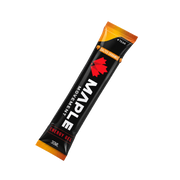


Buy Electrolyte Supplements for Endurance: 2026 Guide
Table of Contents
- Quick Comparison: Electrolyte Supplements for Endurance
- What Electrolyte Supplements Actually Do for Endurance Athletes
-
The Best Electrolyte Supplements for Endurance: Reviewed
- PURE Electrolyte Hydration Superfruits: Best for Carb and Electrolyte Together
- Skratch Labs Sport Hydration: Best for Sensitive Stomachs
- Tailwind Endurance Fuel: Best One-Bottle Solution
- Hyperlyte H1 and H1C: Best for High-Carb, High-Sodium Ultra Racing
- Dr Hydrate: Best for Everyday Hydration Between Sessions
- Precision Race Day Fuel Pack: Best All-in-One Race Bundle
- Is It Worth Using Electrolyte Tablets for Short 5km Runs?
- Hydration Strategy for Ultra Marathon Racing
- Electrolyte Requirements for Hyrox
- Tablets, Powders or Capsules: Which Format Suits Your Race?
- How to Choose: Pricing, Allergens and What to Ignore
- Frequently Asked Questions
Last Updated: October 2, 2026
Quick Comparison: Electrolyte Supplements for Endurance
If you want to buy electrolyte supplements for endurance, the fastest way to choose is to match the format to your race, not the flavour to your mood.
Electrolyte supplements are products that replace the sodium, potassium, magnesium and calcium lost through sweat during exercise, usually delivered as tablets, powders or capsules. They matter most when sessions run long, conditions run hot, or you are a salty sweater.
Here is the short version before the detail:
| Product | Format | Price | Best For |
|---|---|---|---|
| Precision PH 1000 Tablets | Effervescent tablets | $16.95 | Moderate sodium losses |
| Precision PH 1500 Tablets | Effervescent tablets | $17.00 | Heavy, salty sweaters |
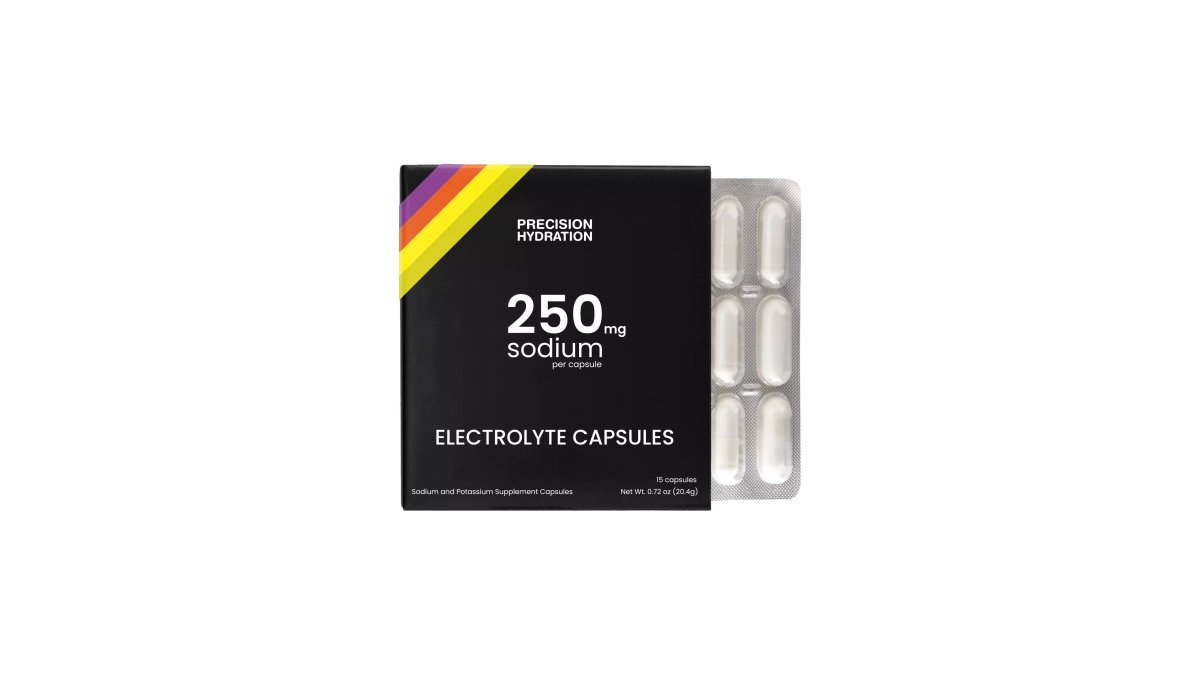
| Precision Electrolyte Capsules | Capsules | $14.89 | Aid station water |
| PURE Superfruits 500g | Powder | $32.99 | Carbs and electrolytes together |
| Skratch Sport Hydration | Powder | $34.99 | Sensitive stomachs |
| Tailwind Endurance Fuel | Powder | $71.90 | One-bottle simplicity |
| Hyperlyte H1 / H1C | Powder | $89.98 | High-carb, high-sodium ultra racing |
| Dr Hydrate 30 Serves | Powder | $39.90 | Everyday hydration |
| Precision Race Day Fuel Pack | Bundle | $89.95 | All-in-one race day |
What Electrolyte Supplements Actually Do for Endurance Athletes
Electrolyte supplements replace the minerals you lose in sweat so your body can hold onto fluid and keep muscles firing.

The mistake most athletes make is treating electrolytes as a bonus rather than a plan. If you finish a long run with white salt streaks on your kit, your sodium losses are high and plain water will not fix it.
Sodium, Potassium and Magnesium: What Matters Most
Sodium is the mineral you lose in the greatest quantity and the one worth prioritising. Potassium and magnesium play supporting roles in muscle contraction and recovery, but sodium drives fluid retention and absorption.
- Sodium: the primary driver of hydration status and the one to track first
- Potassium: supports muscle function and fluid balance inside cells
- Magnesium: involved in muscle relaxation and metabolic function
- Calcium: a minor player in sweat losses, but included in many blends
A common mistake is buying the cheapest tablet and assuming all electrolytes are equivalent. They are not. A product delivering 1,000mg of sodium per litre behaves very differently to one delivering 250mg.
The Best Electrolyte Supplements for Endurance: Reviewed
The best electrolyte supplement depends on your format preference, sweat rate and race length. Below are the options worth your money, with honest notes on where each one fits.
PURE Electrolyte Hydration Superfruits: Best for Carb and Electrolyte Together
This is the pick for athletes who want carbohydrates and electrolytes in the same bottle without a heavy fuel load. PURE Superfruits is an isotonic mix built on a 5% carbohydrate concentration, made with real freeze-dried fruit including acai, goji, pomegranate and blackcurrant.


You get sodium, potassium, magnesium and calcium in one scoop, and a 500g pouch makes roughly 8.75 litres. The light fruit flavour holds up over long sessions, which matters more than most people expect.
The trade-off is that 5% carbohydrate is deliberately light. If you are racing an ultra marathon and need serious calories per hour, you will still need gels or chews alongside it.
Skratch Labs Sport Hydration: Best for Sensitive Stomachs
Skratch built its reputation on a stripped-back formula, and it shows. The Lemon & Lime mix replaces sweat electrolytes with a small amount of energy and a flavour that does not overwhelm your palate or your gut.
If you have ever had a sports drink turn on you at hour four, this is the one to test. It is less aggressive on sodium than the Precision range, so heavy sweaters may need to pair it with capsules.
Tailwind Endurance Fuel: Best One-Bottle Solution
Tailwind's pitch is simplicity, and it delivers.
The formula uses simple sugars rather than maltodextrin, which keeps osmolality lower and reduces the risk of GI distress. It is vegan, gluten-free, dairy-free and soy-free, with no dyes or preservatives.
Where it falls short is flexibility. If you want to dial sodium up without adding carbs, you cannot, because the two are locked together in the scoop.
Hyperlyte H1 and H1C: Best for High-Carb, High-Sodium Ultra Racing
Hyperlyte exists because two scoops give you 100g of carbs and 1,000mg of sodium.
The H1C version adds caffeine for the back half of a race. Both use a semi-sweet neutral flavour designed to fight palate fatigue when you are hours in.
This is a serious product for serious distances. For a 5km park run, it is overkill and expensive per serve.
Dr Hydrate: Best for Everyday Hydration Between Sessions
Not every electrolyte need is race day. Dr Hydrate is a 30-serve jar with 11 vitamins and minerals, no added sugar and no artificial flavours, developed alongside professional athletes and scientists.
It suits the athlete balancing a full-time job with training who wants to stay hydrated across the whole week, not just on long run day.
Where it differs from race fuel is carbohydrate. There is none, which is the point. It is a hydration product, not an energy product.
Precision Race Day Fuel Pack: Best All-in-One Race Bundle
If you would rather not build a fuelling plan product by product, this box does it for you. It contains 12 PF 30 gels, 2 PF 30 chews, a tube of PH 1500 tablets and 15 electrolyte capsules, totalling 420g of carbohydrate and two forms of sodium.
It ships free and suits marathon, half marathon and 70.3 athletes. It also works as a first order if you have never tried the Precision system and want to test it properly in training before race day.
Precision Fuel & Hydration PH 1000 Electrolyte Tablets →
Is It Worth Using Electrolyte Tablets for Short 5km Runs?
For most runners, electrolyte tablets are not necessary for a 5km run.
There are exceptions. If you are running in heavy heat and humidity, sweating heavily, or stacking a 5km on top of a long training week, a low-calorie tablet in your bottle does no harm and may help you drink more.
The honest answer is that electrolytes matter in proportion to duration and sweat loss. A 5km does not demand them. A Hyrox race, a marathon or an ultra marathon does.
Hydration Strategy for Ultra Marathon Racing
A hydration strategy for ultra marathon racing is built on three numbers: your sweat rate, your sodium concentration and your hourly intake target.
Start by weighing yourself before and after a long training run. Every kilogram lost represents roughly a litre of fluid.
From there, plan sodium per hour rather than per bottle.
Heat acclimatisation changes the equation too. Once adapted, you sweat earlier and more diluted, which can reduce sodium concentration but increase total volume lost.
Electrolyte Requirements for Hyrox
Electrolyte requirements for Hyrox sit between a short race and an ultra.
That means you need sodium, but not a full ultra fuelling plan. A bottle with a moderate-sodium tablet plus a gel or two during the race covers most athletes well.
The bigger risk in Hyrox is going in under-hydrated. Start the day properly hydrated, use a stronger tablet the night before and on the morning of the event, then sip through the race rather than gulping at stations.
Tablets, Powders or Capsules: Which Format Suits Your Race?
Format is a logistics decision, not a performance one. The minerals are the same; what changes is how easily you can carry and consume them.
| Format | Best For | Watch Out For |
|---|---|---|
| Tablets | Pre-loading, flavoured bottles | Needs water and mixing time |
| Powders | Full carb and electrolyte plans | Bulky to carry on course |
| Capsules | Aid station water, plain water fans | Must be swallowed with fluid |
Tablets suit athletes who want a flavoured bottle with controlled sodium and few calories.
Most experienced athletes end up using more than one. A bottle for the first half, capsules for the second, is a common and sensible split.
How to Choose: Pricing, Allergens and What to Ignore
Choosing well comes down to three checks: sodium per serve, allergen fit and total cost per session.
On allergens, the Precision range is gluten-free, dairy-free and vegan, Tailwind is vegan, gluten-free, dairy-free and soy-free, and PURE uses real freeze-dried fruit.
On price, work out cost per session rather than cost per tub.
On testing, buy small first. A single tube of tablets or a 30-serve jar lets you trial a product across several training sessions before you commit to race day.
Getting hydration right is one of the few things you fully control on race day, and it is where most endurance athletes leave performance on the table.
Frequently Asked Questions
What electrolytes are good for endurance?
Sodium is the one that matters most, because it is what you lose in the largest quantity through sweat. Potassium, magnesium and calcium appear in smaller amounts and support normal muscle and nerve function. When you buy electrolyte supplements for endurance, check the sodium content per serve first. Precision PH 1000 tablets deliver 1,000mg of sodium per litre when mixed as directed, while Hyperlyte H1 provides 1,000mg of sodium per serving alongside 100g of carbs. PURE Electrolyte Hydration includes sodium, potassium, magnesium and calcium together.
Do I need electrolyte tablets for short runs?
For most 5km runs, plain water is enough. Sweat losses over 20 to 30 minutes are small, and your body handles that without extra sodium. Electrolyte tablets become useful on short runs when it is hot and humid, when you are a heavy or salty sweater, or when you are stacking back-to-back sessions. If you finish a 5km with visible salt streaks on your skin or a heavy headache, a low-calorie option like Precision PH 1000 at $16.95 for 10 tablets is a reasonable place to start.
How do electrolyte supplements improve ultra marathon performance?
Over 50km or more, you lose a large volume of sodium through sweat, and replacing only water dilutes what is left in your body. That is what causes the headaches, nausea and cramping that end races early. A hydration strategy for ultra marathon racing should match sodium intake to your sweat rate, keep carbohydrate coming at a steady rate, and stay drinkable for hours. Products like Hyperlyte H1 were built for exactly this, combining 100g of carbs and 1,000mg of sodium per serving in a neutral flavour that resists palate fatigue.
What are the electrolyte requirements for Hyrox?
Hyrox sits between a 5km and a marathon in duration but adds eight functional stations, so you sweat hard in short bursts with little chance to drink. Most athletes need 500 to 1,000mg of sodium per hour across the race. Electrolyte capsules are the practical format here because you can swallow them with water at a station without carrying a mixed bottle. Precision Electrolyte Capsules contain 250mg of sodium each, so two or three across the race covers a solid portion of your needs.
How often should endurance athletes consume electrolytes?
Match intake to your sweat rate rather than the clock. A practical starting point for long sessions is 500 to 1,000mg of sodium per hour, adjusted up in heat or if you are a salty sweater. For events over two hours, start pre-loading the night before and on race morning. Precision PH 1500 tablets are designed for that pre-load, delivering 1,500mg of sodium per litre. Test your plan in training first, then repeat it on race day rather than changing anything new.