




How to Avoid Stomach Cramps Running
Table of Contents
- Why Stomach Cramps Happen During Running
- When to Eat Before a Long Run
- Best Pre-Run Snacks for Sensitive Stomachs
- Hydration Strategies for Endurance Runners
- How to Prevent Side Stitches While Running
- Choosing the Right Fuel During Your Run
- Testing Your Nutrition Strategy Before Race Day
- Frequently Asked Questions
Last Updated: September 27, 2026
Why Stomach Cramps Happen During Running
To avoid stomach cramps running, understand that they stem from competition between your digestive system and muscles for blood flow. Main causes: eating too close to your run, consuming high-fat or high-fibre foods, dehydration, running too hard too soon, and electrolyte imbalance. Most runners blame fuel choice when timing and volume are the real culprits.
When to Eat Before a Long Run
For solid food, follow this timeline:
- 3-4 hours before: Full meal (carbs + protein + small amount of fat). Example: oatmeal with banana and nut butter, or toast with eggs
- 1-2 hours before: Light snack (mostly carbs, minimal fat and fibre). Example: banana, rice cakes, or a sports drink
- 30 minutes before: Nothing solid, water only, or a small sip of electrolyte drink
The longer window allows digestion; the closer to your run, the simpler the food must be. Test timing during training, not race day.
Best Pre-Run Snacks for Sensitive Stomachs
Sensitive stomachs need fuel high in carbohydrates, low in fat and fibre, and easy to digest.

Top pre-run snack choices:
- Banana, easily digested, natural sugars for quick energy, contains potassium
- White toast with honey, simple carbs, minimal fibre, gentle on the stomach
- Rice cakes with jam, light, fast-digesting carbohydrates
- Sports drink or electrolyte mix, hydration + carbs without solid food to digest
- Applesauce or fruit puree, natural sugars, no fibre, quick absorption
Hydration Strategies for Endurance Runners
Dehydration accelerates stomach cramping and reduces fuel absorption.
Pre-run hydration (2-3 hours before):
- Drink 400-600 ml of fluid with a small amount of sodium
- Water alone is absorbed slowly; electrolytes speed absorption
- Stop drinking 20-30 minutes before you start
During your run:
- For runs under 60 minutes: water or a dilute sports drink
- For runs over 60 minutes: consume 150-250 ml of fluid every 15-20 minutes with electrolytes (sodium) to maintain fluid balance and reduce cramping
- Sip frequently rather than gulp large volumes
Products like Precision Fuel & Hydration PH 1000 Electrolyte Tablets deliver 1,000 mg of sodium per litre and use a hypotonic formula for faster absorption. For runners who prefer capsules, Precision Fuel & Hydration Electrolyte Capsules offer 250 mg of sodium per capsule, swallow with water at feed stations.


How to Prevent Side Stitches While Running
A side stitch is a sharp pain under your rib cage, usually on the right side, caused by ligament strain and diaphragmatic dysfunction.
The Physiology of Side Stitches
Your organs are suspended by ligaments attached to your diaphragm. During intense running, weak core muscles force your diaphragm to stabilise your torso alone, causing ligament strain and spasm. Shallow breathing, dehydration, and electrolyte loss increase cramp risk.
Individual Risk Factors
Your stitch risk depends on core strength, breathing pattern, hydration and electrolyte status, eating timing and volume, running intensity, age and training experience, and posture.
Prevention Strategies
Warm up gradually: Start at easy pace for 5-10 minutes before ramping up intensity.
Increase intensity gradually: Build intensity over weeks and months.
Managing a Stitch Mid-Run
If a stitch strikes despite prevention:
- Slow your pace immediately. Reduce intensity to allow your diaphragm to recover. Most stitches ease within 2-5 minutes at easy pace.
- Focus on deep, rhythmic breathing. Breathe in through your nose for a count of 4, out through your mouth for a count of 4. This calms your nervous system and reduces diaphragmatic tension.
- Press your hand into the painful spot. Apply firm pressure with your palm or fingers to the area under your rib cage. This provides proprioceptive feedback that can interrupt the cramp signal.
- Lean away from the pain. If the stitch is on your right side, lean slightly to your left. This stretches the right-side ligaments and may provide relief.
- Resume running only when pain subsides. Once the stitch eases, return to your target pace gradually. Jumping back to hard running risks re-triggering the cramp.
Choosing the Right Fuel During Your Run
What you consume during your run must be easy to digest, quickly absorbed, and provide steady energy. Your brain's sensory response to repeated fuel flavours can sabotage your nutrition strategy mid-effort.
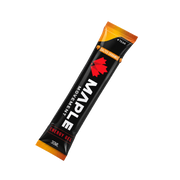
Maurten Gel 100 Energy Gel – 25g Carbs →
For runs 60-90 minutes:
- Sports drinks or dilute carbohydrate solutions work well
- Aim for 30-60 grams of carbohydrates per hour
- Sip frequently rather than consuming large amounts at once
For runs over 90 minutes:
- Energy gels or concentrated carbohydrate drinks become necessary
- Target 60-90 grams of carbohydrates per hour (if your stomach tolerates it)
- Alternate between gels and sports drinks to reduce flavour fatigue and prevent palate overload
Understanding Flavour Fatigue and Sensory-Specific Satiety
Flavour fatigue (sensory-specific satiety) is a neurological response where repeated exposure to the same taste triggers diminished appetite (Checking your browser). During endurance running, your brain sends a "no more" signal despite your stomach being ready, causing you to stop fuelling voluntarily and risking energy depletion. It affects runners based on taste sensitivity, fuel type, run duration (beyond 120 minutes), previous exposure, and hydration status.
Rotation Strategies to Combat Flavour Fatigue
Rotate between distinct flavour profiles and fuel types every 30-45 minutes to reset sensory receptors.
Example rotation:
- Minutes 0-45: Fruit-flavoured gel with water
- Minutes 45-90: Sports drink with different flavour (citrus or lemon-lime)
- Minutes 90-135: Savoury or neutral fuel (rice cakes with salt, or electrolyte drink)
- Minutes 135+: Return to first fuel type
Practical fuel combinations:
- Skratch Labs Super High Carb Drink Mix (mild citrus, 50g carbs per serving) paired with Maurten Gel 100 Energy Gel (berry flavour, hydrogel matrix for lighter stomach feel)
- Precision Fuel & Hydration PH 1000 Electrolyte Tablets (neutral, sodium-focused) alternated with a fruit gel to break up sweetness
- Real food options (banana, rice cakes with honey, or a small sandwich for ultra-long efforts) interspersed with gels to provide complete sensory contrast
When Flavour Fatigue Has Already Set In: Recovery Protocol
If you're refusing fuel despite needing it, immediate intervention prevents further energy depletion.

Immediate steps:
- Stop consuming the current fuel immediately. Continuing to force down a flavour your brain is rejecting will only increase nausea and may trigger vomiting.
- Switch to a completely different fuel type. If you've been on gels, move to a sports drink. If on sweet fuel, try something savoury or neutral (electrolyte drink, plain water with a pinch of salt).
- Consume small amounts frequently. Instead of trying to catch up on calories with large portions, take 100-150 ml of new fuel every 10-15 minutes. Smaller volumes are less likely to trigger continued rejection.
- Rinse your mouth with water or a palate cleanser. A small sip of plain water, a pinch of salt on your tongue, or even a brief mouth rinse can reset taste receptors faster than waiting passively.
- Slow your pace. Reducing intensity decreases your caloric demand temporarily, buying time for your palate to recover without requiring massive fuel intake.
- Continue hydration with electrolytes. Even if you can't face solid fuel or gels, maintaining fluid and sodium intake prevents further deterioration and buys time for sensory recovery.
Testing Your Nutrition Strategy Before Race Day
Race day is not the time to experiment. Your nutrition strategy must be proven in training.
Run a 3-4 week testing cycle:
- Week 1: Test your pre-run meal. Try different options, timings, and portion sizes. Note what feels good and what causes discomfort
- Week 2: Test fuelling during a long run. Use the exact products and amounts you plan to use on race day
- Week 3: Test your complete race-day nutrition plan from warm-up through finish. Replicate race conditions as closely as possible
- Week 4: Refine based on what worked. Make small adjustments only, no major changes this close to race day
Keep a simple log:
| Run Date | Pre-Run Meal | Timing | Fuel During | Hydration | How Stomach Felt | Notes |
|---|---|---|---|---|---|---|
| Sept 15 | Banana + toast | 90 min before | 2 gels | Sports drink | Good | No cramping |
| Sept 18 | Oatmeal | 120 min before | 3 gels | Water only | Cramping at km 18 | Need electrolytes |
| Sept 22 | Banana only | 60 min before | Gel + drink mix | Electrolyte tablets | Excellent | Best run yet |
Frequently Asked Questions
Why do I get stomach cramps when I run?
Stomach cramps during running occur when your digestive system is working hard while blood is diverted to your muscles. Eating too close to your run, consuming high-fat or high-fibre foods, or not drinking enough water all trigger cramping. Dehydration reduces blood flow to your stomach, making digestion harder. Running on a full stomach forces your body to manage digestion and exercise simultaneously, causing discomfort. Start with easily digestible carbohydrates 1-2 hours before running, and sip water consistently throughout your workout to avoid stomach cramps.
How long should I wait to run after eating?
Wait 1-2 hours after a full meal before running. Light snacks like a banana or toast with honey can be eaten 30-45 minutes before your run. The key is choosing foods that digest quickly and won't sit heavy in your stomach. Avoid fatty, high-fibre, or protein-rich meals right before running, as these take longer to digest and increase cramping risk. If you're running early morning and need fuel, opt for a small, easily digestible carbohydrate source rather than skipping breakfast entirely.
Can dehydration cause stomach cramps during exercise?
Yes, dehydration is a major cause of stomach cramps during running. When you're dehydrated, blood flow to your digestive system decreases, making it harder for your stomach to process food and water. This triggers nausea and cramping. Drink water consistently before, during, and after your run, not all at once. For runs longer than 60 minutes, use an electrolyte drink to replace sodium lost through sweat. Products like Precision Fuel & Hydration PH 1000 Electrolyte Tablets enhance water absorption and help maintain hydration without causing stomach distress.
Are energy gels causing my stomach cramps?
Energy gels can cause cramping if you use the wrong type, consume too many, or don't drink enough water with them. Gels with artificial flavours, high sugar content, or complex carbohydrates may upset sensitive stomachs. Maurten Gel 100 uses a natural hydrogel matrix with just six ingredients and no artificial preservatives, making it easier to digest during running. Always test gels during training before race day, drink water with every gel, and space them 30-45 minutes apart. Start with one gel per hour and adjust based on how your stomach responds.